Why Metal Cap Oxidation Isn't Always a Dealbreaker

The Myth of the Pristine Surface
Most collectors believe that a single speck of rust or a slight discoloration on a metal bottle cap automatically renders the piece worthless. They see a bit of orange oxidation and immediately categorize the item as "damaged." This is a mistake. While a perfect, unblemly preserved cap is always the goal, a slight change in surface color doesn't necessarily strip an item of its historical value or its place in a collection. Understanding the difference between structural damage and surface-level oxidation is what separates a novice from a seasoned enthusiast.
When we talk about metal caps—specifically the crown cork style or early crimped closures—we're dealing with materials that react to their environment. A slight patina might actually prove age. If you're looking at a piece that has a bit of color shift, you shouldn't panic. Instead, look at the integrity of the metal itself. Is the metal thinning? Is it flaking away? If the answer is no, you're likely looking at a cosmetic issue rather than a loss of value.
Does Rust Destroy a Collector's Investment?
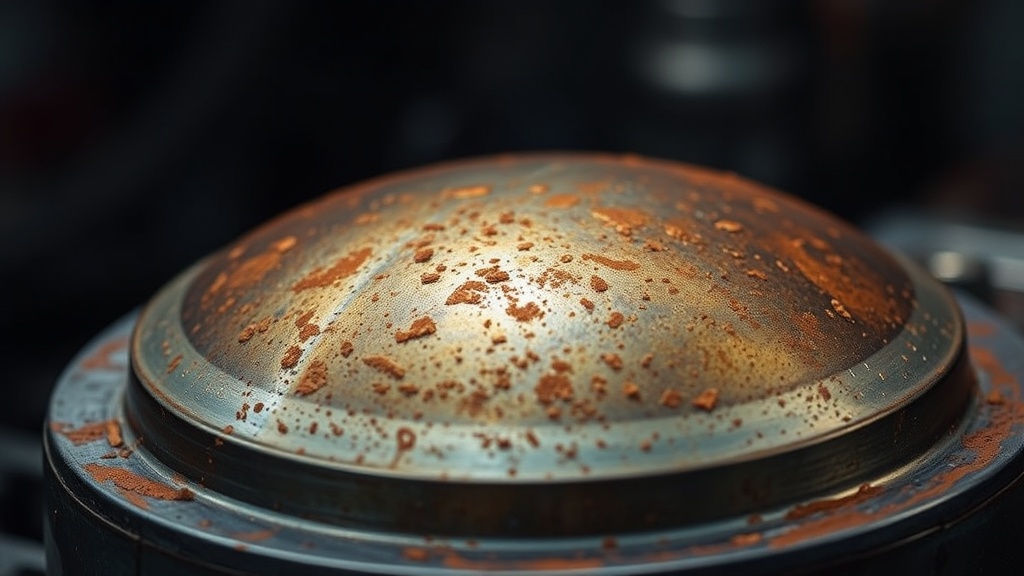
The short answer is: it depends on the depth. Surface rust, often called "flash rust," is a superficial layer that sits on top of the metal. This often happens due to humidity or improper storage. On the other hand, deep pitting or structural corrosion is a much larger problem. If the rust has eaten through the metal, creating holes or making the cap brittle, the value drops significantly. However, for many collectors, a bit of character is part of the charm.
To determine if a piece is worth the risk, you should perform a simple check. Gently touch the area with a gloved finger or a soft cloth. If the rust stays localized and doesn't rub off easily, it's likely superficial. If the metal feels soft or crumbly, walk away. You can learn more about metal degradation and how it affects vintage items through resources like the Library of Congress digital archives, which often host historical documentation on industrial materials.
| Type of Oxidation | Visual Appearance | Impact on Value |
|---|---|---|
| Surface Patina | Uniform, thin, dull sheen | Negligible |
| Flash Rust | Small orange spots, superficial | Minor reduction |
| Pitting/Corrosion | Deep holes, textured surface | Significant reduction |
| Structural Decay | Flaking, brittle, holes present | High loss of value |
Managing your collection involves more than just buying; it involves knowing how to spot these subtle differences. Many people spend too much time hunting for "perfect" items, only to find that the items with a little bit of character have more personality. A cap that shows its age through a slight darkening of the metal can actually tell a more compelling story than one that looks like it was manufactured yesterday.
How Can I Prevent Cap Oxidation in My Collection?
Prevention is much easier than restoration. If you're storing metal caps or small metal-based collectibles, the enemy is moisture. High humidity levels act as a catalyst for oxidation. One of the most effective ways to protect your items is to control the environment where they live. This doesn't require an expensive-looking setup; sometimes, a simple airtight container or a silica gel packet can do the trick.
If you're displaying your pieces in a glass case or a shadow box, ensure the area is well-ventilated. Stagnant air and high humidity are a dangerous combination for metal. You might also consider using acid-free materials for any part of your display that touches the metal. Many collectors find that keeping their items in a low-humidity environment—like a climate-controlled room—is the best way to ensure their collection lasts for decades.
For those who want to dive deeper into the chemistry of metal preservation, checking out specialized archival sites like The Library of Congress collections can provide insight into how historical artifacts have been preserved over time. It’s a great way to see how professionals handle the very materials you're collecting.
Can You Clean Oxidation Without Damaging the Item?
This is where things get tricky. The temptation to grab a piece of sandpaper or a harsh chemical cleaner is strong, but you must resist it. If you attempt to scrub away oxidation, you might actually strip the original finish or the printed design on the cap. This is a common way that collectors accidentally destroy the value of their pieces. If the oxidation is truly just a surface patina, it's often better to leave it alone.
If you must clean a piece, start with the gentlest method possible. A dry, soft microfiber cloth is your best friend. If there's a stubborn spot, a tiny amount of distilled water on a swab might help, but never use anything abrasive. Remember, the goal is to clean, not to make it look new. A "new" look often looks fake in the world of vintage collecting. You want to preserve the history, not erase it.
Always test a small, inconspicuous area first. If the color or the texture changes, stop immediately. Most of the time, the best way to "clean" a vintage metal cap is to simply accept its age. A piece that has lived through decades of history deserves to show it. A little bit of character isn't a flaw; it's a badge of authenticity. Keep your eyes on the long game—focus on the structural integrity and the historical context, and you'll find that a little rust won't stop you from building a world-class collection.