Why Metal Bottle Caps Change Value So Quickly

The Rapid Shift in Metal Cap Markets
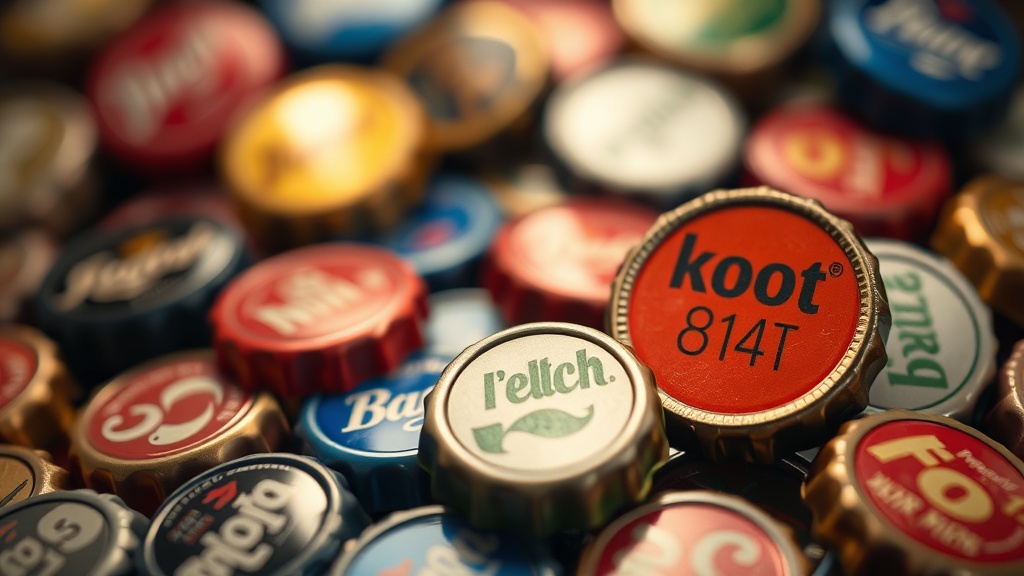
In the mid-1980s, a single damaged metal crown cap might have been tossed into a bin without a second thought. Today, that same piece of tin-plated steel can trigger a bidding war. The market for small metal collectibles isn't just about nostalgia; it's driven by the scarcity of specific production runs and the physical degradation of the material itself. When you look at a collection of vintage soda or beer caps, you aren't just looking at metal—you're looking at a ticking clock of oxidation and shelf-life.
Collectors often underestimate how much the environment affects a small piece of metal. A cap stored in a humid basement will look vastly different after two years than one kept in a climate-controlled display case in Kelowna. This distinction isn't just aesthetic—it's financial. The difference between a "mint condition" cap and one with slight edge rust can be the difference between a centerpiece and a scrap piece. Understanding this volatility is what separates a casual hobbyist from a serious collector.
What Causes Metal Caps to Lose Value?
The primary enemy of any metal collectible is oxidation. When moisture meets untreated steel, the chemical reaction begins immediately. This is why many high-end collectors look for "original luster" or "unblemed edges." If you're hunting for rare designs, you have to check the underside of the cap just as closely as the top. A beautiful graphic means nothing if the underside is crumbling into rust.
- Humidity levels: High moisture leads to rapid iron oxide formation.
- Fingerprint oils: Even the oils from your skin can cause micro-corrosion over time.
- Storage materials: Storing caps in cheap plastic bins that trap moisture is a common mistake.
If you want to see the technical standards for metal preservation, the American Heritage archives often discuss the preservation of metal-based historical artifacts. It's a good way to see how professional curators handle these delicate items. You shouldn't treat your collection like a junk drawer; treat it like a museum. Even a small piece of metal requires a strategy for long-term stability.
How Do I Prevent Rust on My Collection?
Prevention is much cheaper than trying to fix a rusted-out piece. First, avoid touching the metal directly. If you're handling a rare find, use lint-free gloves or at least ensure your hands are completely dry and oil-free. Second, consider the air around your display. A sealed glass case is the best way to keep the ambient humidity from eating away at your profits. If you're seeing a dullness in the metal, it's a sign that the air quality in your room might be too high in moisture.
Many collectors use specialized silica gel packets in their storage containers to soak up excess moisture. It's a simple, low-cost way to keep the environment stable. You can find more technical data on metal aging and environmental impact through the Library of Congress digital collections, which often detail how various materials have survived through the centuries. It's a reminder that while these items feel small, they are subject to the same laws of physics as larger artifacts.
Can You Clean Rusty Metal Caps?
This is a controversial topic in the community. Some people swear by chemical cleaners, while others believe any intervention ruins the value. Generally, if the rust is superficial, a very light touch with a specialized cleaner might work, but you risk stripping the paint or the graphic. If the rust has actually eaten into the metal, the value is likely gone. Most professional collectors suggest that a "patina" is acceptable, but actual structural rust is a dealbreaker.
"A collector's greatest tool isn't a cleaning agent; it's a controlled environment."
If you're looking at a piece that has significant pitting, it's best to leave it alone. Trying to polish away the rust often results in a shiny but worthless piece of metal. The goal is to preserve the history, not just the shine. Always remember that the value lies in the integrity of the original manufacture. Once you change the surface, you change the item's identity.
Whether you are collecting soda caps, beer crowns, or specialized metal tokens, the rules remain the same. Watch the air, watch your hands, and watch the edges. A little bit of vigilance today prevents a lot of heartache tomorrow. The market for these small-scale collectibles is fast-moving, and the difference between a prize and a piece of trash is often just a matter of how much oxygen and moisture you allowed to touch it.