The One Habit That Instantly Makes Your Small Collectibles More Valuable

Quick Tip
Document every collectible immediately upon acquisition to increase value and maintain a high-quality collection.
Most collectors obsess over what to buy next. That’s the wrong instinct. The fastest way to increase the value of a collection—especially small-format collectibles like hotel keys, bottle caps, and micro memorabilia—isn’t acquisition. It’s consistency.
The single habit that separates casual accumulators from serious collectors is simple: document everything the moment it enters your collection.
Why Documentation Beats Acquisition
Most collections plateau because they become messy. Items lose context. Provenance disappears. Details fade. A rare key without a story becomes just another piece of metal.
When you document properly, you’re not just storing objects—you’re preserving information. And in collectibles, information is value.
A documented item answers questions instantly: where it came from, when you acquired it, what condition it was in, and why it mattered. Buyers, traders, and even other collectors trust documented pieces more. That trust translates directly into higher perceived and actual value.
What “Good Documentation” Actually Means
This isn’t about building a museum-grade archive. It’s about being disciplined in small, repeatable ways.
At minimum, every item you collect should have:
- Acquisition date — when it entered your collection
- Source — where you got it (market, trade, trip, estate sale)
- Condition notes — honest, specific, and consistent
- Unique details — markings, variations, defects, or rarity indicators
- Personal context — why you picked it up
That last one matters more than people think. Stories stick. And when you eventually trade or sell, they become part of the item’s appeal.
Photos: The Multiplier Most People Ignore
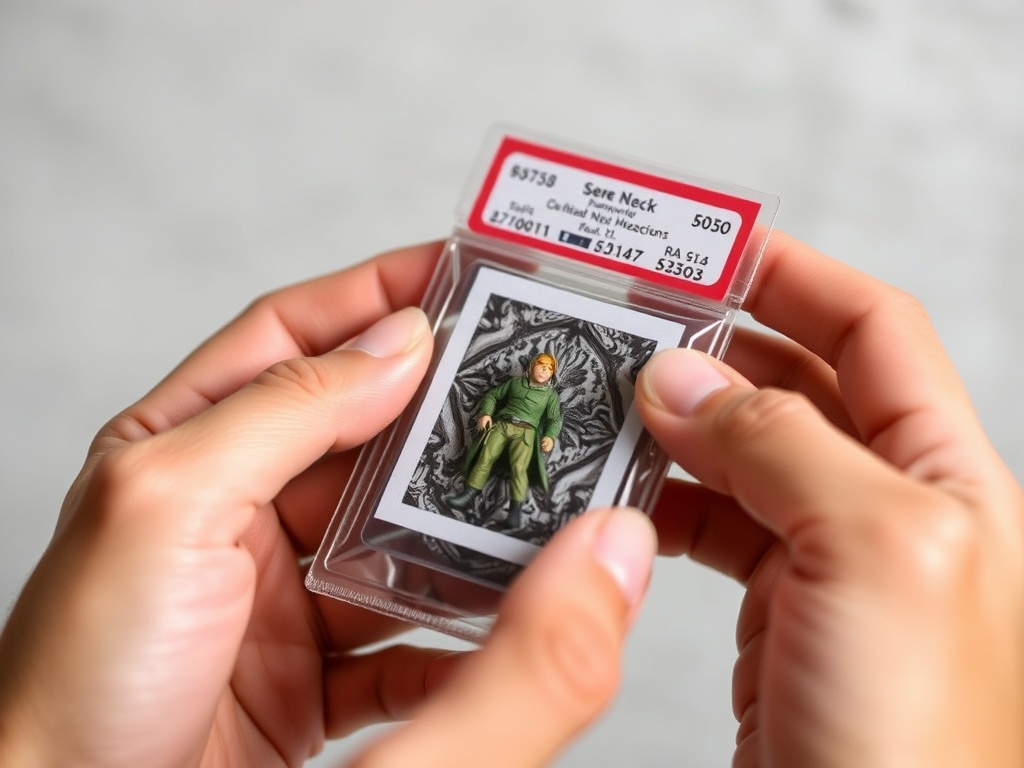
If written notes are the backbone, photos are the multiplier. Clear, consistent images make your collection legible to anyone—especially people who aren’t physically holding the item.
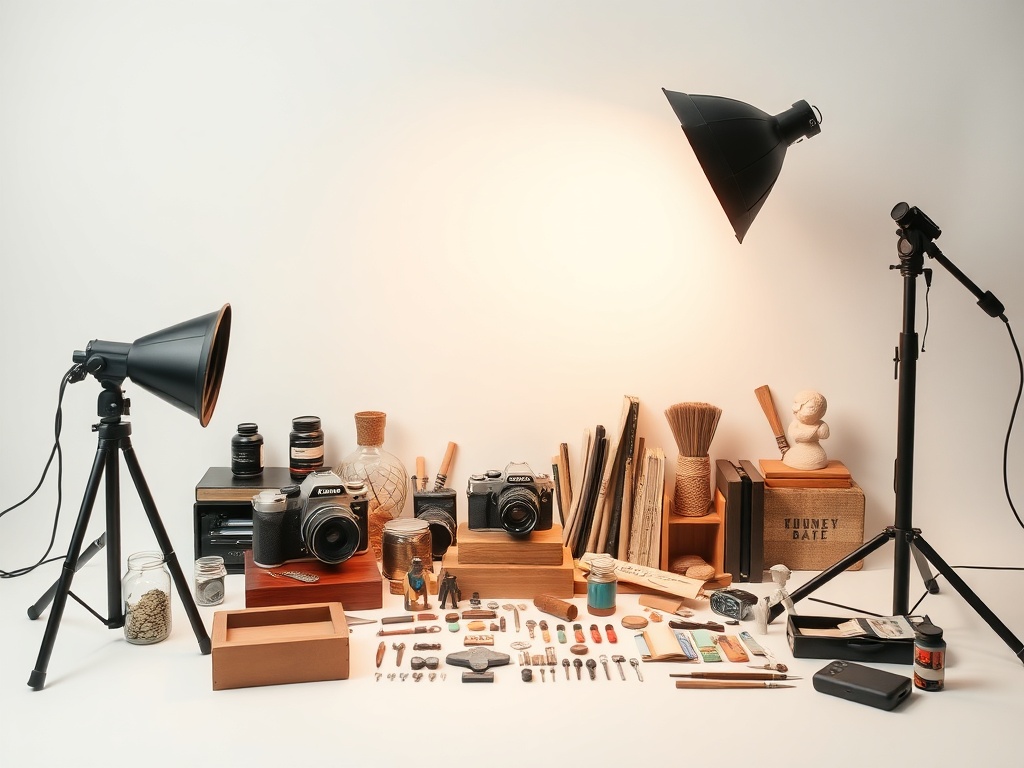
Use the same background. The same lighting. The same angles. Over time, your archive becomes visually coherent, which signals professionalism even if you’re just a weekend collector.
More importantly, photos capture condition at a moment in time. That protects you in trades and builds credibility in sales.
The Hidden Cost of “I’ll Do It Later”
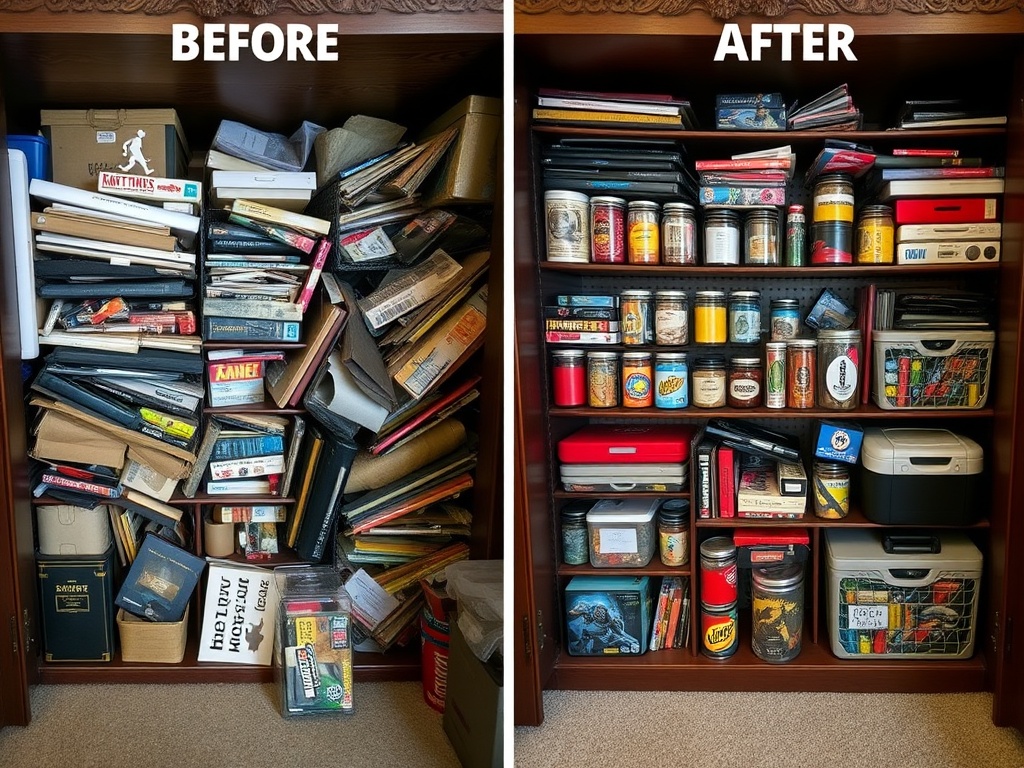
Every collector has a backlog. A pile of items waiting to be sorted, logged, or photographed. That pile is where value goes to die.
Memory fades fast. You forget where you found something. You mix up details. Small variations that once seemed obvious become impossible to verify.
Worse, backlog creates friction. The bigger it gets, the less likely you are to ever catch up.
The fix is brutal but effective: nothing enters your collection without being documented first.

How This Changes Your Entire Collection Strategy
Once you adopt this habit, something interesting happens—you become more selective.
When every item requires effort to log, photograph, and describe, you naturally filter out low-quality additions. You stop impulse collecting and start curating.
Your collection tightens. Themes emerge. Quality rises.
This is the quiet shift that turns a random assortment into a collection with identity—and identity is what drives long-term value.

Digital vs Physical Logs (And Why You Should Use Both)
Digital logs are searchable, scalable, and easy to back up. Physical logs are tactile, reliable, and surprisingly motivating.
The best collectors use both.
A simple system works:
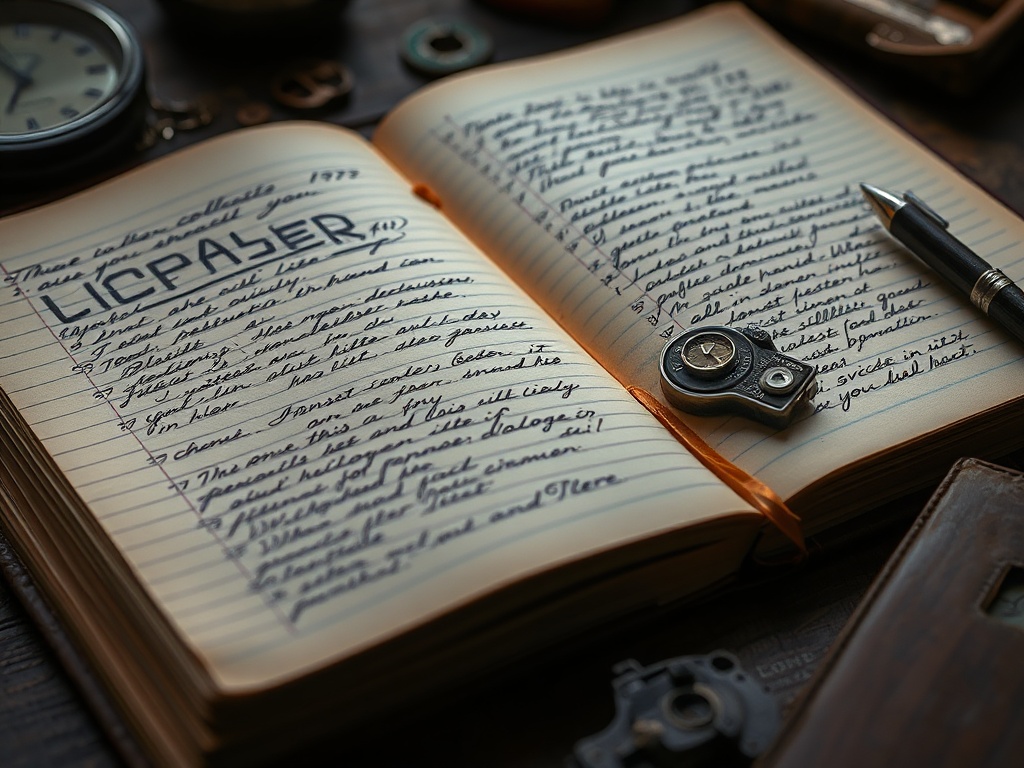
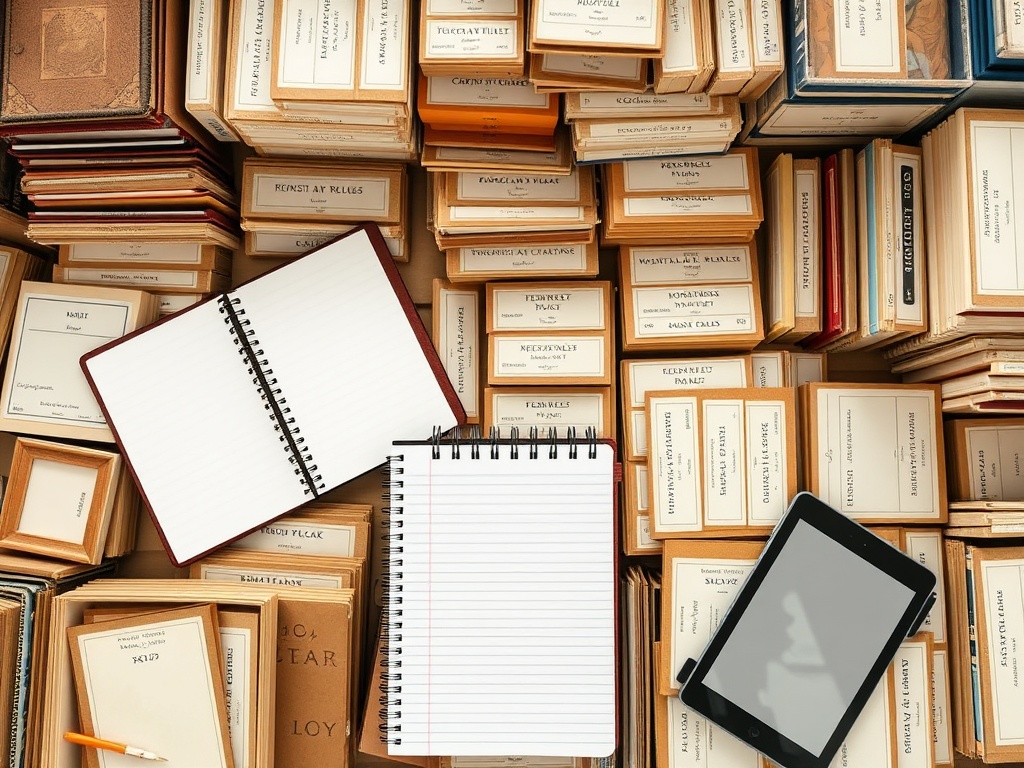
- Notebook for quick entries and field notes
- Digital catalog (spreadsheet or app) for structured records
- Photo archive organized by date or category
This redundancy isn’t overkill—it’s insurance. Collections outlast devices, and good records outlast memory.
Condition Tracking: The Long Game Advantage
Most collectors only think about condition when selling. That’s too late.
If you track condition over time, you can prove how well an item has been preserved. That’s powerful.
It also helps you catch problems early—corrosion, fading, wear—before they become irreversible.
In niches like small metal items or printed pieces, subtle degradation can mean the difference between average and exceptional value.
Why Buyers Pay More for Documented Pieces
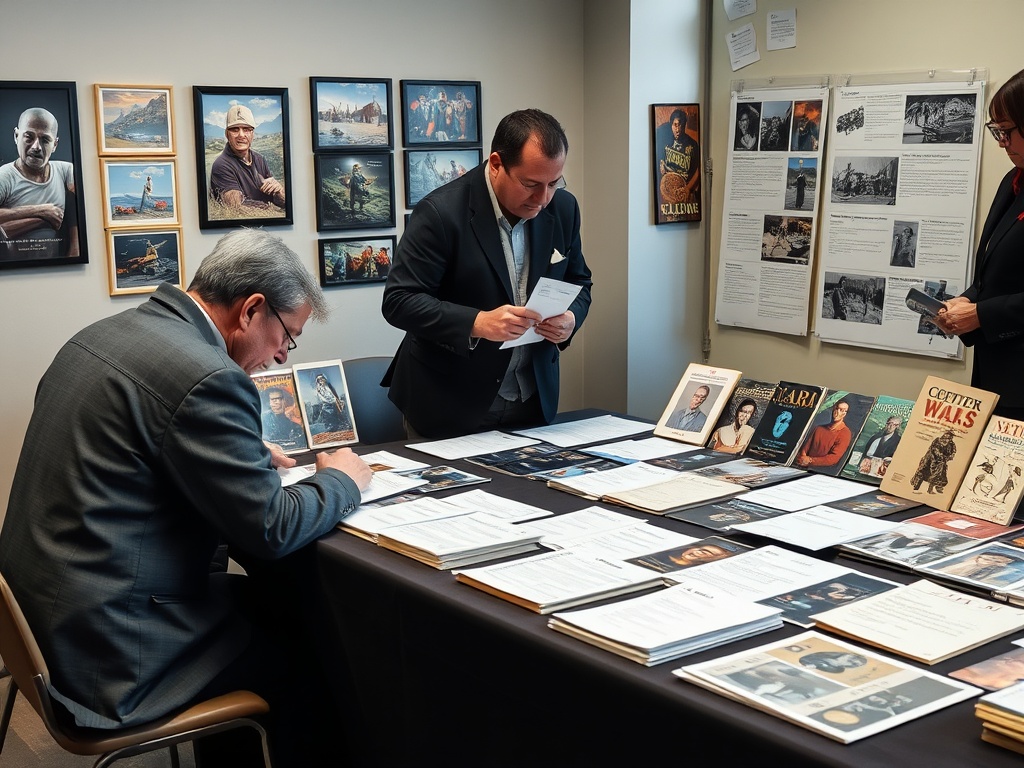
When someone evaluates a collectible, they’re not just judging the object—they’re judging risk.
Documentation reduces uncertainty. It answers questions before they’re asked. It signals that the item has been handled carefully and understood deeply.
That confidence is what justifies higher prices.
In private trades, it also gives you leverage. You’re not just offering an item—you’re offering a verified piece of a curated collection.
Start Small, But Start Now
You don’t need a perfect system to begin. You need a consistent one.
Pick a format. Set a standard. Apply it to your next item. Then the next.
Within a few weeks, the difference is obvious. Within a few months, your collection feels sharper, more intentional, and easier to manage.
Within a year, you’ll have something most collectors never build: a collection that explains itself.
That’s the habit. Document everything, immediately.