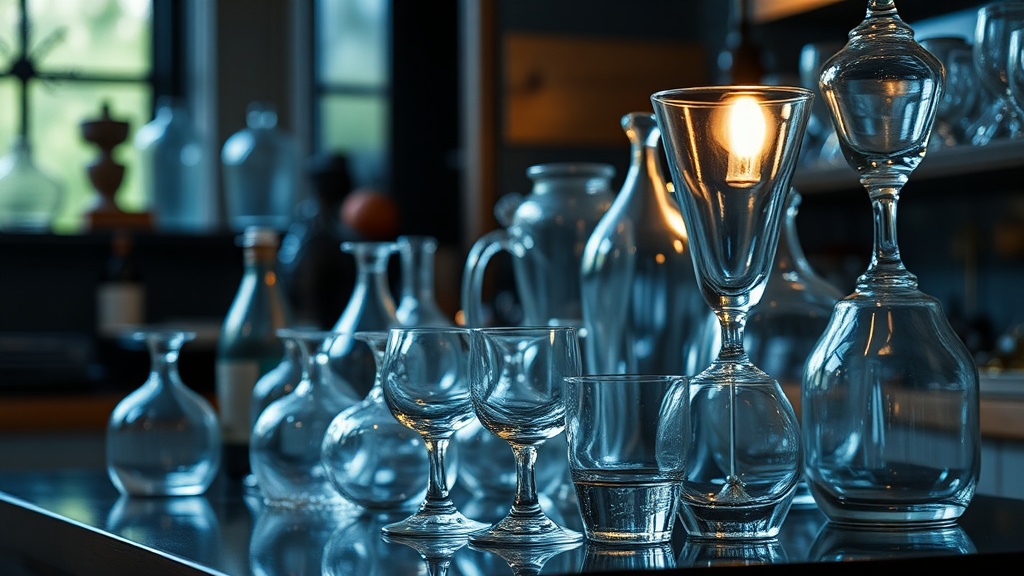
Protecting Your Glass Collection from Humidity and Heat

You'll learn how to manage environmental factors to preserve glass and metal collectibles.
Temperature and moisture are the two biggest enemies of a dedicated collector. Whether you're storing antique hand-blown bottles, vintage soda glass, or metal-capped containers, the environment dictates how long your pieces remain in top condition. This guide covers the specific ways heat and humidity impact different materials—from glass stability to the oxidation of metal caps—and provides actionable ways to keep your collection safe.
Glass itself is quite resilient, but it's not indestructible. While a single bottle might seem fine sitting on a shelf, long-term exposure to extreme temperature swings can cause internal stresses. If you've ever seen a crack appear out of nowhere, it might not be an accident; it's often the result of thermal shock or even microscopic flaws reacting to a changing environment. Keeping your display area stable is the best way to avoid these issues.
Does humidity affect antique glass bottles?
Humidity doesn't just affect metal; it impacts the way your glass interacts with its surroundings. While glass doesn't absorb water, high humidity levels often lead to a buildup of dust and organic matter on the surface. This residue can become trapped in the tiny pores of older, more porous glass types (if they have any imperfections). More importantly, high moisture levels often mean high levels-of oxidation for any metal components attached to your pieces.
If you collect bottles with original metal caps or crown corks, humidity is a massive threat. Moisture in the air accelerates the rusting process of the metal, which can then bleed onto the glass. This "rust bleed" can leave permanent stains on the neck of a bottle or even a glass lid. If you're displaying items in a basement or a room without climate control, you're essentially inviting the air to slowly eat away at your metal components. For more on how environmental factors affect material aging, you can check out the archival standards at the Library of Congress regarding preservation.
The Dangers of Thermal Shock
Thermal shock is a real phenomenon in the collecting world. It happens when a material expands or contracts too quickly due to a sudden change in temperature. For a collector, this usually happens when a cold bottle is suddenly exposed to a warm room, or vice-versa. While high-quality glass is built to handle some level of change, vintage glass often has internal stresses from the original manufacturing process that make it more vulnerable.
Avoid placing your most prized glass pieces near windows that receive direct sunlight or near radiator vents. The constant cycle of heating up during the day and cooling down at night creates a microscopic tug-of-war within the glass structure. Over time, this can lead to unexpected fractures. A steady, cool temperature is always better than a wildly fluctuating one.
How do I prevent metal cap corrosion?
Metal caps, especially the older crown tops, are highly susceptible to oxidation. If you notice a slight dullness or a change in color, it's a sign that the protective layer is thinning. To prevent this, you want to keep your collection in a low-humidity environment. Using a dehumidifier in your display room is a smart move if you live in a damp climate. It's much cheaper to run a dehumidifier than it is to replace a rare, oxidized piece.
- Use silica gel packets: Placing small, food-grade silica packets inside display cases can help absorb excess moisture.
- Avoid direct sunlight: UV rays can actually accelerate the degradation of certain metal finishes and even alter the color of some glass types.
- Clean with care: Never use harsh chemicals on metal caps. A dry, soft brush is usually enough to remove loose dust.
If you're looking for more detailed information on the chemical properties of metals, the Britannica resource offers excellent historical context on metal alloys and their durability. Keeping your metal caps dry is the single best way to maintain their visual appeal and value.
Is it safe to display glass in a sunlit room?
It's a common mistake to think that glass is immune to light, but that's not quite right. While the glass itself won't fade, the light can cause issues for the items *inside* the bottle or the materials attached to it. If you have a vintage soda bottle with a paper label or a metal cap with a painted design, UV light will bleach those elements quickly. A beautiful label can turn a valuable piece into a common one in just a few seasons of sun exposure.
If your display area has a lot of natural light, consider using UV-filtering film on your windows. It's a relatively inexpensive way to protect your collection without changing your decor. Think of your display cases as little-scale museums; they need protection just as much as the exhibits do. A shaded area or a room with controlled lighting will always serve your collection better in the long run.
Ultimately, the goal is stability. Whether it's the temperature of the room or the moisture level in the air, consistency is your best friend. When you control the environment, you're not just protecting the physical object—you're preserving the history and the value that makes collecting so much fun. Keep an eye on your display areas every few months to ensure no unexpected changes have occurred in your storage space.