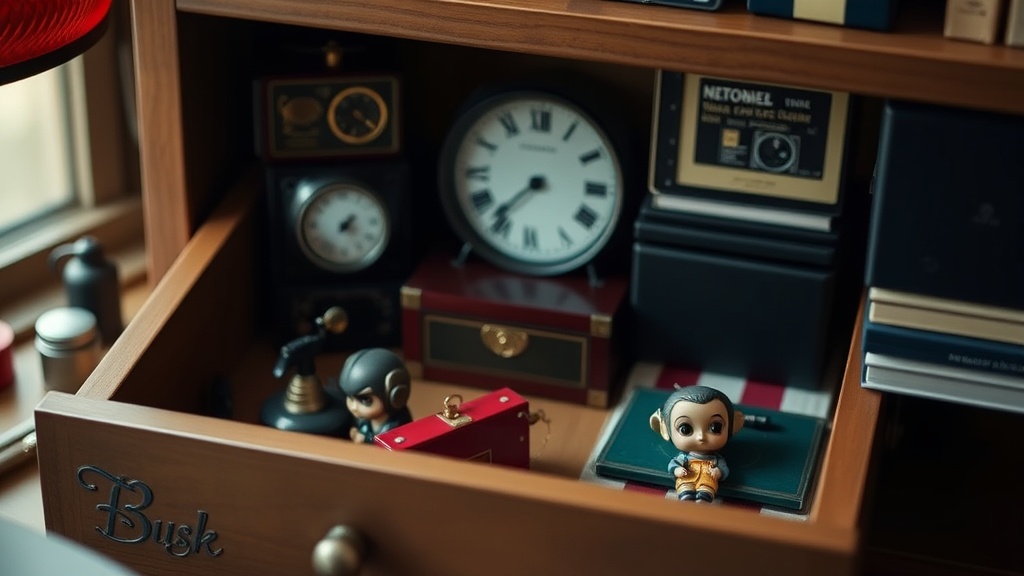
12 Small Collectibles That Fit in a Desk Drawer—but Command Serious Attention

Picture this: you're browsing a dusty estate sale in the Okanagan when a shoebox slides out from beneath a bed. Inside—not costume jewelry or faded photographs, but dozens of vintage advertising tins, each no larger than a bar of soap. These aren't just storage containers. They're miniature time capsules that once held everything from tobacco to throat lozenges, and collectors are quietly paying surprising sums for the right pieces.
Small collectibles—items that fit in the palm of your hand yet carry the weight of history—represent one of the most accessible entry points into collecting. You don't need a dedicated room or custom shelving. A desk drawer, a shoebox, even a mason jar can house a collection worth hundreds (sometimes thousands) of dollars. But knowing what separates the ordinary from the extraordinary? That's where the real skill lies.
What Makes a Small Collectible Worth More Than Its Size Suggests?
Value in miniature collectibles rarely follows logic. A rusted bottle cap from a defunct soda brand might fetch more than a pristine porcelain figurine. The factors that drive worth are often counterintuitive—and understanding them separates casual accumulators from serious collectors.
Scarcity beats condition—sometimes. A rare advertising tin with minor dents and faded paint often outsells a common piece in mint condition. It's the collector's dilemma: would you rather own a damaged Ferrari or a flawless Toyota Corolla? Most experienced hands reach for the Ferrari every time.
Provenance matters enormously. That same tin becomes significantly more valuable when you can document where it was found, who owned it, or which factory produced it. A local Okanagan peach cannery tin with documented production history commands a premium over an identical piece with no backstory. Keep receipts, photograph finds in situ, and maintain a simple logbook—future you (and future buyers) will be grateful.
How Do You Spot Genuine Vintage Versus Modern Reproductions?
The reproduction market has grown sophisticated. Modern manufacturers use aging techniques, distressed printing, and even intentional rust spots to fool casual buyers. But the devil lives in the details—and these details don't lie.
Check the base metal. Pre-1960s tins and smalls were typically made from materials that show specific aging patterns. Vintage tinplate develops a characteristic patina—slightly chalky, never powdery. Modern reproductions often use different alloys that corrode differently or, worse, show no corrosion at all despite supposedly being decades old.
Examine the printing quality closely. Vintage lithography has a depth and subtlety that's difficult to replicate with modern digital printing. Under magnification, genuine vintage printing shows tiny irregularities, slight color shifts, and a certain softness at edges. Modern reproductions look too crisp, too uniform—almost clinically perfect.
Weight tells stories too. Older pieces often feel heavier than you'd expect for their size. Modern manufacturers skimp on material costs, producing lighter-weight items that feel insubstantial in the hand. Pick up enough genuine pieces and your fingers develop an instinct for authenticity that's hard to fake.
Which Small Collectibles Are Currently Undervalued?
The collecting world moves in cycles. What's overlooked today becomes tomorrow's hot commodity. Right now, several categories of small collectibles sit in that sweet spot—available, affordable, and showing early signs of appreciation.
Mid-century travel souvenirs—those tiny metal ashtrays, miniature landmarks, and enamel badges from the 1950s-70s—are climbing in value as nostalgia for that era intensifies. They're everywhere at thrift stores, often priced at a dollar or two, yet specialized dealers are already paying twenty to fifty times that for the right pieces.
Promotional bottle openers from regional breweries and soda companies represent another overlooked goldmine. These functional advertising pieces were produced in limited quantities for local businesses, then used until they broke or were lost. Survivors in good condition are increasingly scarce, yet many collectors haven't caught on to their potential.
Vintage sewing notions and small hardware—thimbles, needle cases, tin buttons—are experiencing renewed interest from collectors interested in material culture and domestic history. These items were mass-produced but rarely saved, making complete sets or unusual designs surprisingly valuable.
Where Should You Hunt for Small Collectibles?
The best finds rarely come from antique shops with their researched prices and dealer networks. For small collectibles, you need to look where others don't—or won't.
Estate sales in older neighborhoods yield remarkable results. The key is arriving early on the first day, but not too early. First-day crowds compete for furniture and jewelry. By midday, they've cleared out, leaving the shoeboxes and kitchen drawers for patient hunters. Ask about items not yet displayed—many estate sale companies hold back smalls until the second day.
Thrift stores in small towns often price items based on size rather than value. A valuable tobacco tin might cost $1.99 because it fits in the "small item" pricing tier, while a worthless ceramic figurine commands $15 because it's larger. Learn to scan quickly for metal, glass, and materials that signal potential value.
Online auction sites require more caution but offer access to collections from distant regions. The trick is searching with misspellings and generic terms. Sellers who list a "old metal box" instead of "vintage advertising tin" don't know what they have—and that ignorance becomes your opportunity. Always request additional photographs showing bases, interiors, and any markings.
How Do You Store and Display Tiny Treasures?
Small collectibles present unique storage challenges. They're easy to lose, prone to damage from improper materials, and often too numerous to display individually. Yet the solutions can be as interesting as the collections themselves.
Shadow boxes with archival backing protect while displaying. Use acid-free mat board and UV-filtering glass to prevent fading and deterioration. Arrange pieces by theme, color, or era—visual cohesion makes small items feel intentional rather than accumulated.
Glass apothecary jars create striking displays while keeping dust at bay. Fill a large jar with vintage bottle caps, matchbooks, or similar smalls, and it becomes both storage and sculpture. Just ensure items don't touch each other directly—acid migration between metals can cause unexpected corrosion.
Original packaging matters. If you find small collectibles still in their original boxes or wrappers, preserve everything. The complete package tells a fuller story and typically commands significant premiums over loose items. Store these in archival sleeves away from direct light and fluctuating humidity.
12 Small Collectibles That Deserve Your Attention
- Vintage Advertising Tins — From tobacco to talcum powder, these lithographed metal containers showcase graphic design history. Look for local businesses, unusual shapes, and tins that still contain original product (unopened tins command substantial premiums).
- Bottle Caps with Cork Liners — Before modern liners, bottle caps used cork to create seals. These older caps feature different metal compositions and often display more elaborate branding. They're increasingly scarce as they were designed for single use.
- Matchbooks and Match Safes — The golden age of promotional matchbooks (roughly 1940-1970) produced millions of designs. Complete, unstruck matchbooks with striking graphics are most desirable. Earlier metal match safes (pre-1920) represent a different collecting tier entirely.
- Small Glass Ink Bottles — Before ballpoint pens, ink came in tiny glass bottles designed for desk use. Colors range from clear to deep amber and cobalt. Pontil marks, lip styles, and base embossing help date and identify genuine pieces versus modern reproductions.
- Tobacco Tags — These small metal or fiber tags were attached to tobacco bags for identification and branding. Produced in vast variety from the 1870s through the 1940s, they represent an entire collecting specialty with dedicated reference books and price guides.
- Vintage Sewing Thimbles — Silver, brass, and even gold thimbles were once common possessions. Advertising thimbles from companies (rather than personal engraved pieces) are particularly collectible. Look for unusual materials—celluloid, wood, or early plastics.
- Advertising Rulers and Measuring Tools — Small wooden or metal rulers bearing company names were ubiquitous promotional items. Their utilitarian nature means survivors in good condition are uncommon, especially from smaller regional businesses.
- Pocket Tobacco Tins — Designed to fit in pockets, these flat tins carried chewing tobacco or rolling tobacco. The hinged lids and compact size made them perfect for reuse, which is why so many survive—though pristine examples with original tax stamps are increasingly rare.
- Vintage Keys and Keychains — Skeleton keys from old locks, hotel keys with elaborate fobs, and advertising keychains from defunct businesses all tell stories. The key is finding pieces with local or unusual connections—generic modern keys have little value.
- Small Apothecary Bottles — Medicine bottles under three inches tall were common for travel sizes, samples, and specific remedies. Cobalt blue and amber glass examples are most sought after. Look for original labels—these can multiply value significantly.
- Promotional Bottle Openers — Cast metal openers from breweries, soda companies, and regional businesses combine functionality with advertising history. Wall-mounted examples are more common; pocket-sized promotional openers are the real prizes.
- Vintage Dice and Small Games — Advertising dice, miniature card decks, and pocket games were popular promotional items. Complete sets with original packaging are uncommon finds. Celluloid dice from the early 20th century are particularly prized by specialized collectors.
The beauty of small collectibles lies in their accessibility. You can begin a meaningful collection with the coins in your pocket and a sharp eye at Saturday morning garage sales. Each piece fits in your hand, yet carries stories of businesses long closed, products forgotten, and design movements that shaped how we see the world.
Start with what interests you—not what price guides suggest. The best collections reflect genuine curiosity. Whether you're drawn to the graphic boldness of advertising tins or the quiet utility of vintage sewing notions, there's a community of collectors who share your passion. Connect with them, learn from them, and remember: every expert started with a single small find that sparked something bigger.
For more on identifying and dating metal advertising items, consult the resources at the Society for Historical Archaeology. The Bottle Books site offers extensive reference material on small glass containers and their markings. And for understanding the market dynamics of niche collecting categories, WorthPoint's price database tracks actual sales of small collectibles across hundreds of categories.